




From pause to progress, Jeddah Metro rolls forward


After years on hold, Jeddah’s long-anticipated metro project is kicking back into gear, promising smoother travel, cooler urban living, and new ways to explore the city
For decades, the idea of hopping on a sleek metro in Jeddah felt like a futuristic daydream. But now, that dream is gaining new momentum.
Saudi authorities have officially recommenced the Jeddah Metro project, inviting design firms to submit proposals for the Blue Line – the first tangible step towards what could become a citywide urban rail network that transforms how residents live, work, and enjoy leisure.
Here’s what we know about the Blue Line so far.
Stretching 35 kilometres across the city, the Blue Line will connect King Abdulaziz International Airport with the Haramain High-Speed Railway station, stopping at 15 key locations along the way.
For daily commuters, frequent flyers, and weekend explorers, it offers faster, smoother, and much less stressful journeys across Jeddah.


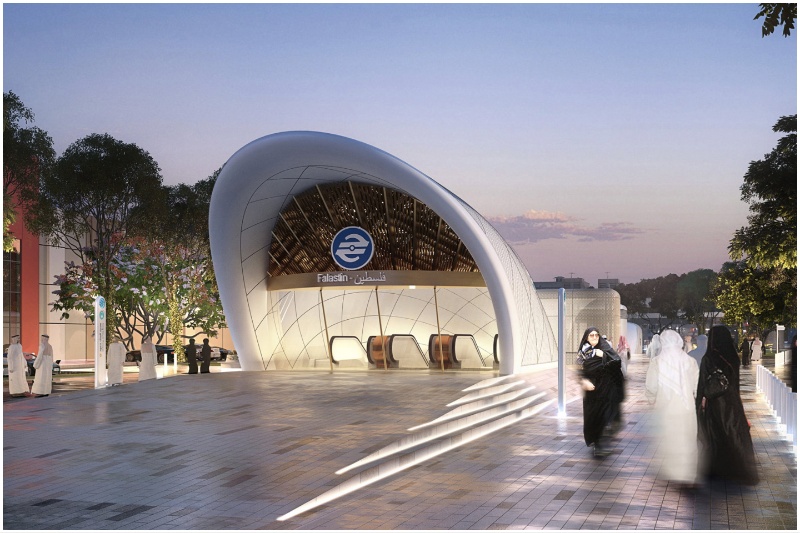
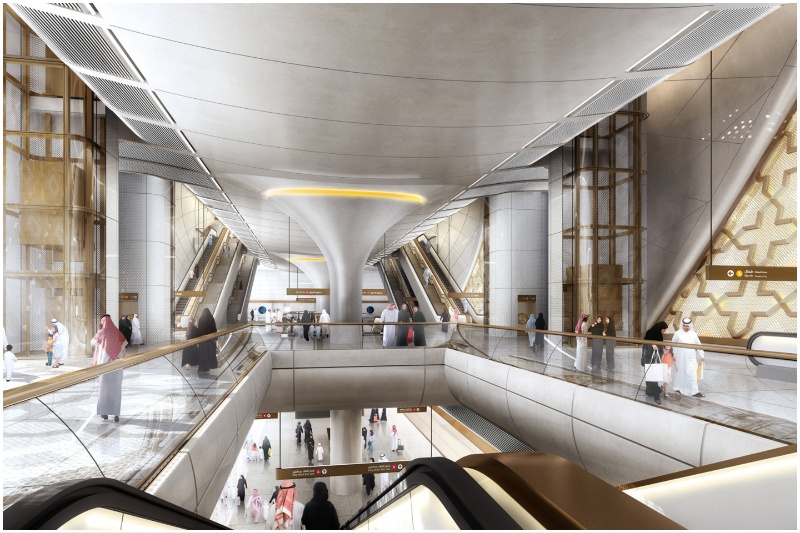


But this project is about far more than just transport. Designed with the local climate in mind, the masterplan draws inspiration from the historic Al Balad district, known for its compact layout, shaded walkways, and mixed-use neighbourhoods.
The aim is to bring people closer to public transport by creating walkable, high-density communities where daily life takes place just steps from a station.
Each metro stop is envisioned as the centre of a new neighbourhood, complete with its own look, feel, and rhythm. Together, these hubs will create a more connected and lively city, encouraging residents to spend less time in traffic and more time enjoying cafés, waterfront walks, and cultural hotspots.
The metro will become a key part of Jeddah’s visual identity. Elevated tracks and sculptural structures will span the city, providing space underneath for walkways and urban activity while making it easier for people to navigate the city intuitively.
At station level, smooth connections will make switching between metro, bus, tram, high-speed rail, water taxi, and shaded cycling routes effortless.
Unified by elegant white arches and enhanced with artistic shading screens created in collaboration with Saudi artists Ahmed Angawi and Dana Awartani, the stations blend functionality with local character.
How Jeddah’s metro plan came together
Plans for the Jeddah Metro were first publicly unveiled in the early 2010s and were formally integrated into a broader public transport programme around 2013-14.
Early concept designs envisioned a multi-line network integrated with buses and, later, other city-wide mobility enhancements.
According to the Jeddah Transport Company, the entire scheme will include 81 stations and 197 trains covering more than 161 kilometres. The network will consist of four lines:
Orange Line
A 44.8km route running along Al-Madinah Road and Old Makkah Road, with 29 stops including one at Obhur Bridge.
Blue Line
A 35km line running from King Abdulaziz International Airport to the Haramain High-Speed Railway station, with 15 stations.
Green Line
A 17km line running through the city centre from the downtown area to the Haramain railway station, with nine stops.
Red Line
A 59.7km line running from King Abdullah Stadium north to Old Makkah Street via King Abdulaziz Road and King Abdullah Road, with 25 stops.
Renderings: Foster + Partners