


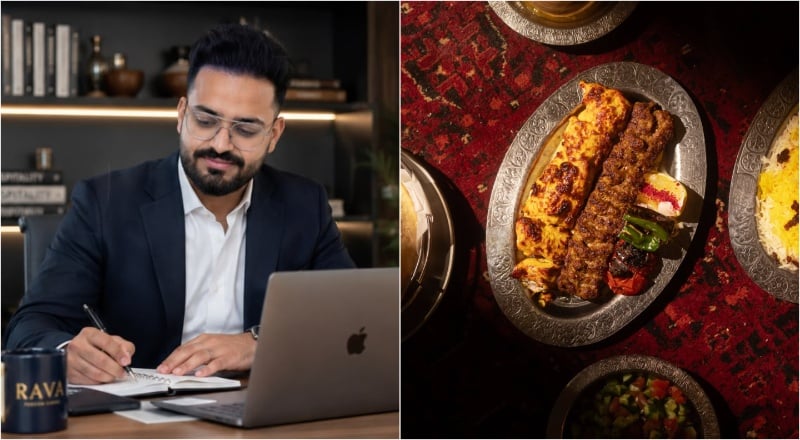
Meet Ali Musalam, the Saudi restaurateur building homegrown brands his way


Sponsored: From childhood meals with his fisherman grandfather to Rava and Bahriyat, the NAVA Group founder talks food, travel and why the guest always comes first
Long before Ali Musalam was thinking about restaurant concepts, operations or building a hospitality group, he was simply a kid with an allowance and an appetite.
With both of his parents working, Ali was given money to eat outside the home, and rather than always returning to the same places, he used it as an opportunity to discover different restaurants. Other meals were spent with his grandfather, a fisherman, while family holidays introduced him to different food cultures from an early age.
“I became used to discovering food for myself and noticing what I enjoyed about each experience,” he says. “Those experiences shaped my palate and made me curious about why certain meals and places stay with you.”
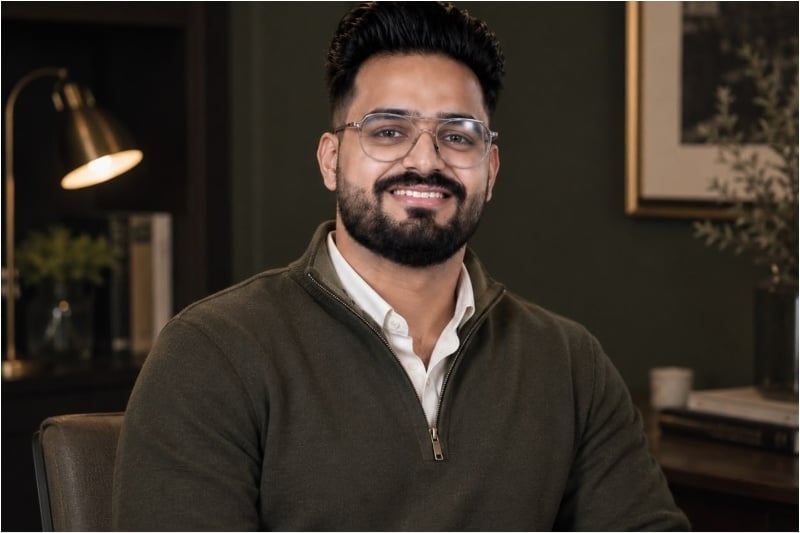
That curiosity would eventually lead to NAVA Group, the Saudi hospitality company Ali founded and now leads as CEO, with concepts including Rava and Bahriyat.
Learning from the other side of the table
Ali’s interest in restaurants followed him to the United States, where he studied and spent much of his spare time eating his way around Los Angeles, Las Vegas, New York and Chicago.
There wasn’t one defining restaurant that changed everything. Instead, he found himself picking up lessons from very different places.
Raffi’s Place in the Los Angeles area stayed with him, while In-N-Out Burger showed him how a clear identity and distinctive atmosphere could make even a simple meal memorable. At Chick-fil-A, it was the organisation behind the operation that caught his attention.
He also started noticing the smaller details: the atmosphere, the music, the service and, perhaps more importantly, what happened when things went wrong.
Ali remembers being surprised by restaurants that would replace a dish or remove it from the bill when a guest didn’t enjoy it.
“It taught me how much a guest’s trust depends on the way you respond when something is not right,” he says.
It’s something he still carries into his own restaurants today. Rather than looking at them solely from an owner’s perspective, Ali says he approaches them as a guest would, thinking about what makes someone feel welcome and what gives them a reason to return.
Eating his way around the world
The learning didn’t stop when Ali left the US.
Over the years, his travels have taken him through Asia and Europe, from Japan, South Korea and Singapore to France, Italy and the UK, among plenty of other stops along the way.
And he wasn’t only interested in what was arriving on the plate.
Restaurant operations, customer journeys, kitchen efficiency, interiors, branding and service all caught his attention. Eating out, essentially, became research. There are certainly worse jobs.
But while inspiration inevitably comes from restaurants he admires, Ali’s approach isn’t about simply recreating something that has worked elsewhere.
“I begin by asking what the restaurant means to us and who we want to serve,” he explains.
From family memories to Saudi-born restaurants
That thinking becomes particularly personal with Bahriyat Express.
The concept traces part of its story back to Ali’s grandfather and his life as a fisherman, alongside the seafood traditions of Saudi Arabia and the Gulf. Ali wanted that connection to come through in generous food, good ingredients and a convenient experience for families.
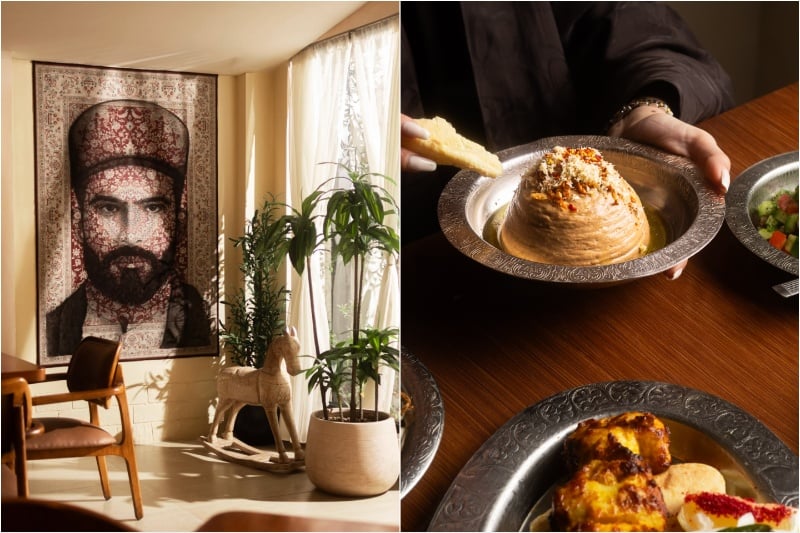
Meanwhile, Rava has an entirely different character. The Saudi-born brand centres on Persian cuisine, with a warm atmosphere that encourages people to settle in and enjoy a meal together.
And it seems to have struck a chord.
Rava was named Favourite Restaurant in the Eastern Province at the What’s On Saudi Arabia Awards 2026, while also picking up a Highly Commended nod for Favourite BBQ & Smokehouse.
Not bad for a restaurant built around doing its own thing rather than chasing whatever happens to be popular.
“A clear idea helps us make decisions about the menu, interiors and service,” Ali says. “I take inspiration from places I admire, then consider what belongs in our own concept and what our guests will appreciate.”
The two restaurants may look and feel very different, but that philosophy ties them together.
Building beyond the next opening
Ali’s ambitions for NAVA Group extend beyond simply opening more restaurants.
His focus is on building Saudi-born hospitality brands capable of competing with some of the best in the Middle East and beyond, without losing their identity as they grow.
That means considerably less glamorous things than restaurant openings, too: operational systems, consistency, developing talent and making sure quality doesn’t disappear as a business gets bigger.
Ultimately, though, his measure of a good restaurant remains surprisingly straightforward.
It comes back to the guest.
And his dream dinner guest is…
After years spent travelling, eating and studying restaurants around the world, you might assume Ali’s dream dinner guest would be a famous chef or hospitality heavyweight. Not quite.
If he could sit down for dinner at one of his own restaurants with absolutely anyone, he’d choose his wife.
She has been his restaurant companion throughout their travels, and trying new places together has become something they both love. She notices details he misses, he spots things she sees differently, and afterwards they compare notes – presumably making dinner with the Musalams slightly more analytical than your average date night.
For someone who has spent much of his life thinking about why certain restaurants stay with us, his answer is rather fitting.
Sometimes it’s less about what’s on the table and more about who’s sitting across from you.
Although we suspect the food still gets a fairly detailed review.
Images: Supplied