


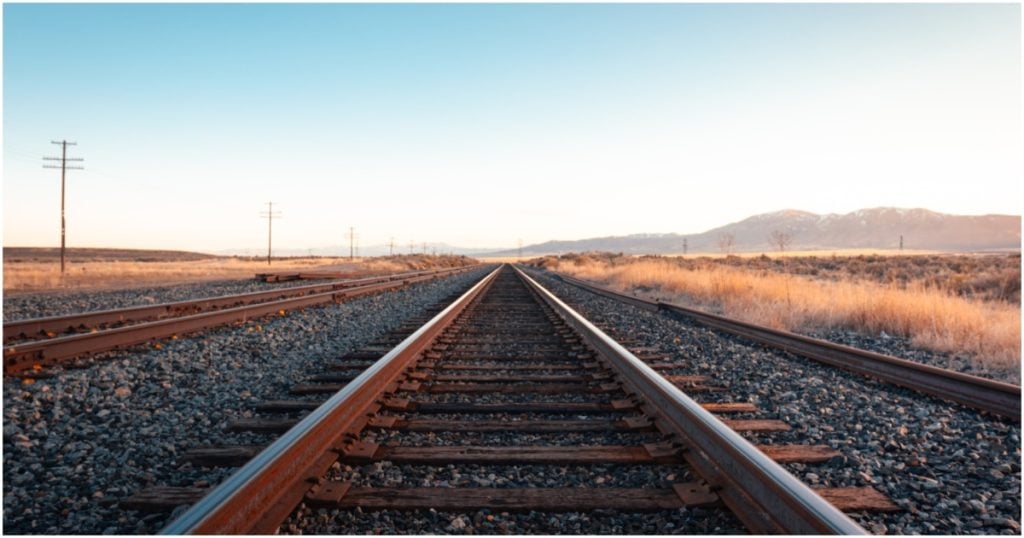
The GCC Railway is over 50 per cent ready right now


The project is on track to be completed by 2030
The first time the GCC Railway was announced, it sounded more like a future plan, but it’s clear to us now that the project is coming sooner rather than later. It’s just been revealed that the GCC Railway is over 50 per cent complete.
The railway network, extending 1,768 kilometres across the entire GCC, including Kuwait, Oman, Bahrain, Qatar, Saudi Arabia, and the UAE, is set to be functional by December 2030 as per current reports.
🚆 محطة تاريخية في مسيرة التكامل الخليجي
تمثل الاتفاقية العامة خطوة استراتيجية نحو تعزيز التكامل الخليجي وإرساء الأطر المشتركة لتنفيذ المشروع ودعم جهود الهيئة الخليجية للسكك الحديدية في تحقيق الترابط والتكامل بين الشبكات الوطنية، وصولاً إلى تشغيل شبكة خليجية متكاملة بحلول 2030م. https://t.co/lo5IWUpTli
— الهيئة الخليجية للسكك الحديدية (@GCC_Railways) November 8, 2026
The unified railway network is basically like the GCC version of the Eurostar, making travel between the union far simpler. According to the Gulf Railway Authority, the latest agreements that have just been signed this week in Bahrain mark a major milestone towards the delivery of the network.
The project is then scheduled for completion by the end of 2030. Once ready, the passenger trains will be operating at speeds of over 200 kilometres per hour, while cargo trains will run at speeds ranging from 80 to 120 kilometres per hour (just about as fast as a cheetah).
The railway project was first announced and approved at the 30th GCC summit in Kuwait City, nearly 17 years ago, in December 2009, with the original deadline being 2018. The project was postponed several times by both Oman and Bahrain.
According to previously announced railway plans, the project is expected to start taking shape in Kuwait, move through Dammam and Al-Batha Port, which is the only port that connects the Kingdom and the UAE, Al Ain and Abu Dhabi in the UAE, and then enter Oman through Sohar, ending in Muscat.
The plans will also link Bahrain and Dammam through branches of the proposed King Hamad Causeway, and then it’s off to Qatar via the Salwa port.
Visit: gcc-ra.org
Images: What’s On archives