





Dust storms to hit Saudi Arabia for one week


Find out where
The National Centre for Meteorology (NCM) has just announced a one-week-long dust storm warning in Saudi Arabia. The Kingdom will be going through a bout of dust-generating winds along the Kingdom’s western coastline for the week, with visibility expected to deteriorate significantly in some areas.
According to the NCM, the one-week-long dust storm warning in Saudi Arabia will affect the coastal road from Jeddah to Jazan, especially during daylight hours on Wednesday, and will continue for a week. The weather is expected to raise dust and sand, thereby creating hazardous conditions for motorists and travellers.
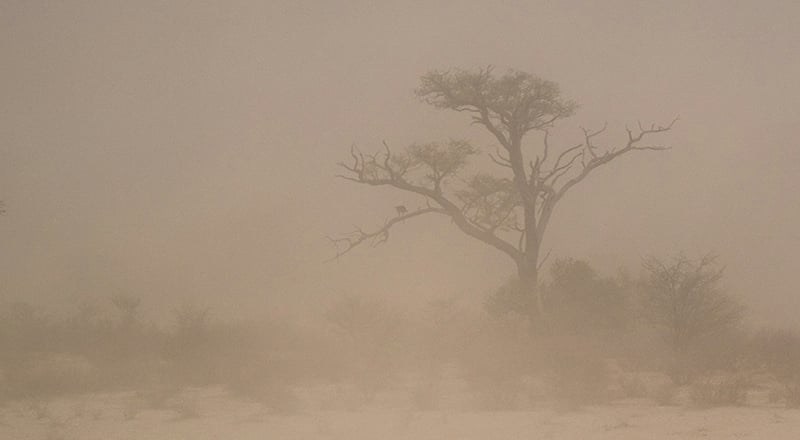
Forecasters warned that the weather system could lead to a severe reduction in horizontal visibility, with near-zero visibility possible at times in exposed areas per Gulf News
The dust activity is expected to continue for about a week, affecting several coastal and open areas along the western region of the Kingdom. Saudi authorities urged residents and road users to monitor weather updates and exercise caution, especially on highways and coastal roads vulnerable to blowing dust.
This warning is the latest in a series of warnings, as parts of the Gulf region continue to experience summer weather patterns marked by high temperatures, strong winds and periodic dust storms that can disrupt transportation and outdoor activities.
How the rest of the summer is going to look like
This year’s summer season in the months of June, July, and August will be higher than normal across most regions of Saudi Arabia. The increase in temperatures during the season, compared to the previous season, ranges between one and two degrees Celsius in the western, southwestern, and parts of the southern regions, while the increase is expected to be less than that in the remaining regions, according to Hussein Al-Qahtani, spokesman for NCM, per Saudi Gazette.
The public has been urged to follow the official updates issued by the NCM, given their importance in early preparation and optimal response to climate change.